
Behind the words “I’m fine” many men carry silent battles — stress, anxiety, depression, and pressure. For too long, society has taught men to suffer in silence. But real strength is not hiding pain. It’s time to talk, listen, and break the silence around men’s mental health.
Why Do We Need to Talk About Men’s Mental Health?
Let’s think about this: when was the last time you heard a guy openly say, “I’m really struggling, and I need help?” If you can’t remember, then you are not alone. Many men grow up hearing the same message: don’t cry, be strong, and deal with things on your own. However, there is a cost to this type of silencing.
So instead of sweeping this topic under the rug, let’s talk about men’s mental health. As I venture deeper into my practicals, working with a growing number of people, I understand more and more how urgent the issue really is. Some research even refers to this as a “Silent Pandemic.” Therefore, it’s time we start making some noise.
The Pressure Men Face to Be “The Rock”
Men face the pressure to be a “Rock”, and it is hard for men to open up. The question is, why? Perhaps a lot of this comes from how boys are raised and societal rules. Whether on the playground or in the workplace, the message is consistent:
Messages Many Boys Grow Up Hearing
- Be strong!
- Be the provider!
- Handle your problems on your own!
- Be the “Rock” for your family.
- Always be dependable.
- Never show fear.
In many different cultures, but especially in South Africa, being a “real man” means having a job, bringing the money home, and being in control of the household.
What Happens When Life Falls Apart?
- What happens when a man loses his job?
- What happens when there are unpaid bills and growing debt?
- What happens when things at home start falling apart?
Sometimes, instead of asking for help, men tend to feel completely worthless.
They feel as if they have failed at being a man. And asking for help is seen as weakness. Therefore, men fear admitting that they are struggling, because people may judge them, laugh at them, or think less of them. So they internalise the problem by bottling it up.
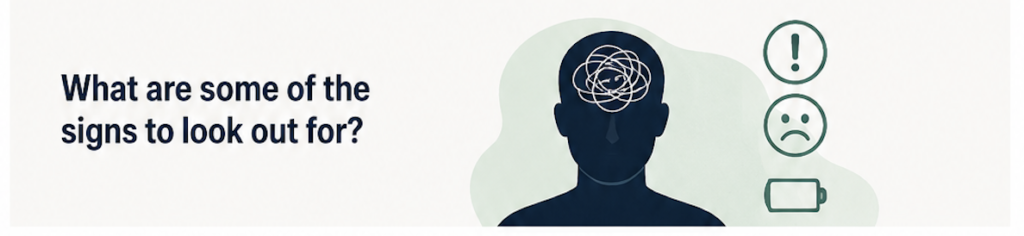
What Are Some of the Signs to Look Out For?
According to some studies, depression and anxiety in men can present very differently. It may not look like sadness or crying. Since many men are taught to hide their emotions, the pain often comes out in other ways — sometimes destructive ways. Have you ever noticed a guy working ridiculously long hours? Or someone who is always snappy, irritable, or angry? Sometimes mental health struggles can look like picking fights or spending the night at a local tavern to drown out the stress and worries of the day. Men may use alcohol or drugs to numb their feelings at the end of the day. In other words, they try to fix themselves in secret. These behaviours can often be mistaken for bad temper or “boys being boys.” However, in reality, it may be a cry for help from someone who doesn’t have the tools or words to ask for support.
The Sad Reality
The silent suffering of men has heartbreaking results. In fact, the numbers are hard to read, but we cannot ignore them. In South Africa, almost 80% of people who die from suicide are men. Just think about that for a second. These could be our brothers, our fathers, our best friends. Too many men suffer quietly until it f eels like there is no other way out. The pressure becomes too heavy to carry alone. They feel crushed under the expectation of being the “Rock”, because society has told them that talking about their feelings makes them less of a man. It does not have to be this way. Change is possible when we allow men to be human.

What Can We Do? How Can We Help?
Real change starts with us. We need to change the conversation and how we talk about mental health.
Check In Properly
First, check in with your male friends, colleagues, and family members. And I don’t mean a casual “How are you?” Ask again: “How are you really?” Listen to them without interrupting and without judging. Listen more than you talk.
Change the Language
Second, we need to stop using phrases like “man up” or “boys don’t cry.” These words are tremendously damaging and part of the problem. Instead, let’s teach the younger generation of boys that feeling sad, scared, or overwhelmed is a normal part of the human experience.
Normalise Mental Health Support
Third, let’s normalise mental health support for men. Counselling or therapy is not just for people in severe crisis. It is a tool for anyone who wants to grow and better themselves. Let’s start creating safe spaces — whether at school, at the gym, at work, or even in our own homes. A space where men know they will be supported.
Conclusion
If you are a man reading this now and you feel overwhelmed, then please hear me: Your mental health matters. You are not alone. And you do not have to carry the weight of the world on your shoulders by yourself. Reaching out is not weakness; actually, it’s a brave first step. And perhaps, it is the strongest thing you can possibly do.