

Workplace stress is often blamed on deadlines, difficult colleagues, or heavy workloads. While these challenges are real, our internal thoughts, beliefs, and habits can also shape how we experience stress. In this article, we’ll explore some often-overlooked factors that may be contributing to your workplace stress and how greater self-awareness can help.
Key Takeaways
- Workplace stress isn’t always caused by external pressures.
- Healthy sleep improves emotional resilience.
- People-pleasing and perfectionism can increase stress.
- Self-awareness helps us respond rather than react.
- Small daily changes can improve emotional wellbeing.
Understanding Workplace Stress
Stress is a common experience and can often be intensified by our own internal noise. Workplace pressures certainly play a role, but the way we interpret situations, respond to challenges, and speak to ourselves can add another layer to what we are already carrying.
If you recognise yourself in any of the concepts below, you’re certainly not alone. These experiences are common and part of being human. What makes a difference is learning to notice these patterns without judging yourself. When we develop greater self-awareness and self-compassion, we create space to choose healthier responses instead of reacting automatically.
Is Friction at Work Increasing Your Stress?
Different Opinions Are Normal
Friction can be expected whenever different people work together. Differences of opinion are part of healthy workplaces and don’t necessarily mean someone is attacking you personally.
Friction simply says, “I see things differently,” or “I’m not in the best space today.” When we recognise this, we can let go of the expectation that everyone must agree with us. Viewing workplace conflict through this lens can reduce unnecessary stress and make room for healthier relationships.
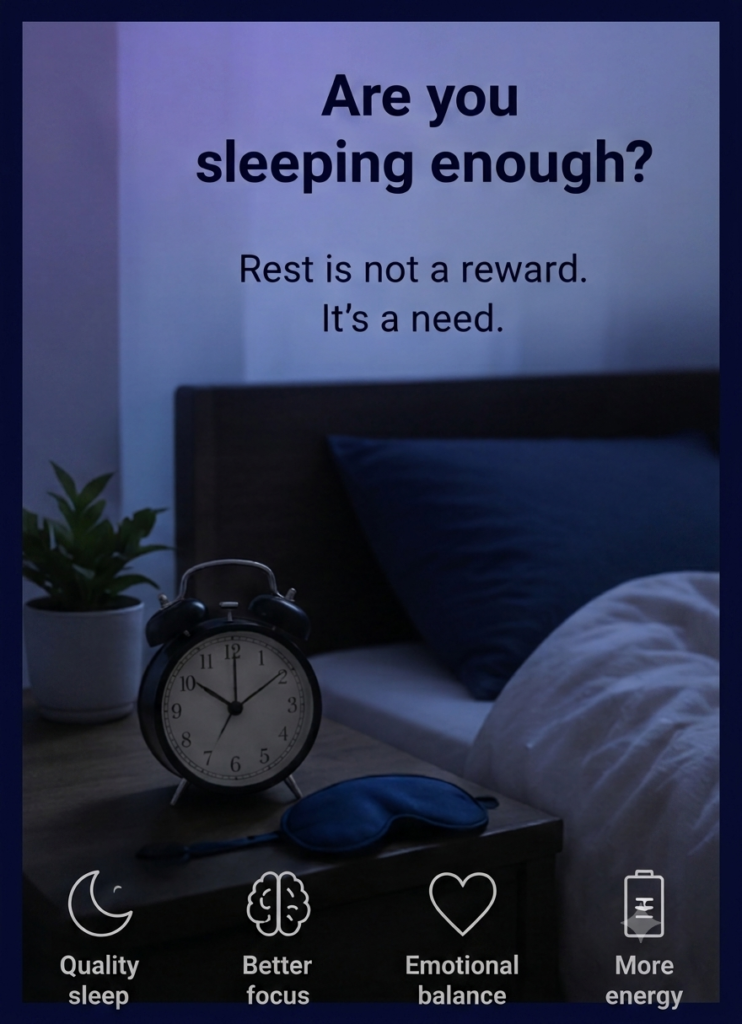
Could Lack of Sleep Be Affecting Your Workplace Stress?
Rest Supports Emotional Wellbeing
When was the last time you slept for eight or nine hours?
When was the last time you fell asleep without doomscrolling?
When did you last wake up because your body had naturally rested enough?
Sleep is not something we earn only after complete exhaustion. Rest is something our bodies require every day. Without enough quality sleep, our executive functioning declines, emotional tolerance decreases, and even small workplace challenges can begin to feel overwhelming.
Looking after your sleep is one of the simplest yet most powerful ways to manage workplace stress.

Are You People-Pleasing at Work?
Your Worth Is Not Based on Approval
Do you find yourself constantly trying to make everyone happy because you’re afraid of rejection?
People-pleasing often appears as kindness or helpfulness, but sometimes it carries an unspoken hope of receiving acceptance in return. Many people learn early in life that their value depends on what they do for others instead of who they are.
The encouraging news is that learned behaviours can also be unlearned. As we begin accepting ourselves, we rely less on others to confirm our worth, reducing both emotional pressure and workplace stress.

Is Perfectionism Making You More Stressed?
The Cost of Impossible Standards
Have you ever completed a task that was nearly flawless but felt completely exhausted afterwards?
Perhaps your work was exceptional, yet a colleague finished their work, enjoyed dinner with family, watched a movie, and still had energy left for tomorrow. Suddenly your achievement doesn’t feel quite as satisfying.
Perfectionism often creates unrealistic standards that are impossible to maintain. Behind perfectionism is frequently a harsh internal voice trying to prove that we are “good enough.” Unfortunately, achieving perfection rarely changes that voice. Instead, it often reinforces it, leaving us feeling increasingly drained.

What Does Your Internal Voice Sound Like?
Becoming Aware of Self-Criticism
Have you ever really listened to how you speak to yourself?
Do you replay conversations repeatedly?
Do you criticise yourself for not saying the perfect thing?
Negative self-talk places enormous strain on our nervous system. Becoming aware of these thoughts is the first step towards change. Rather than believing every thought your mind produces, simply notice it with curiosity.
Your first step is simple awareness.
Are You Ruminating?
When Your Mind Won’t Let Go
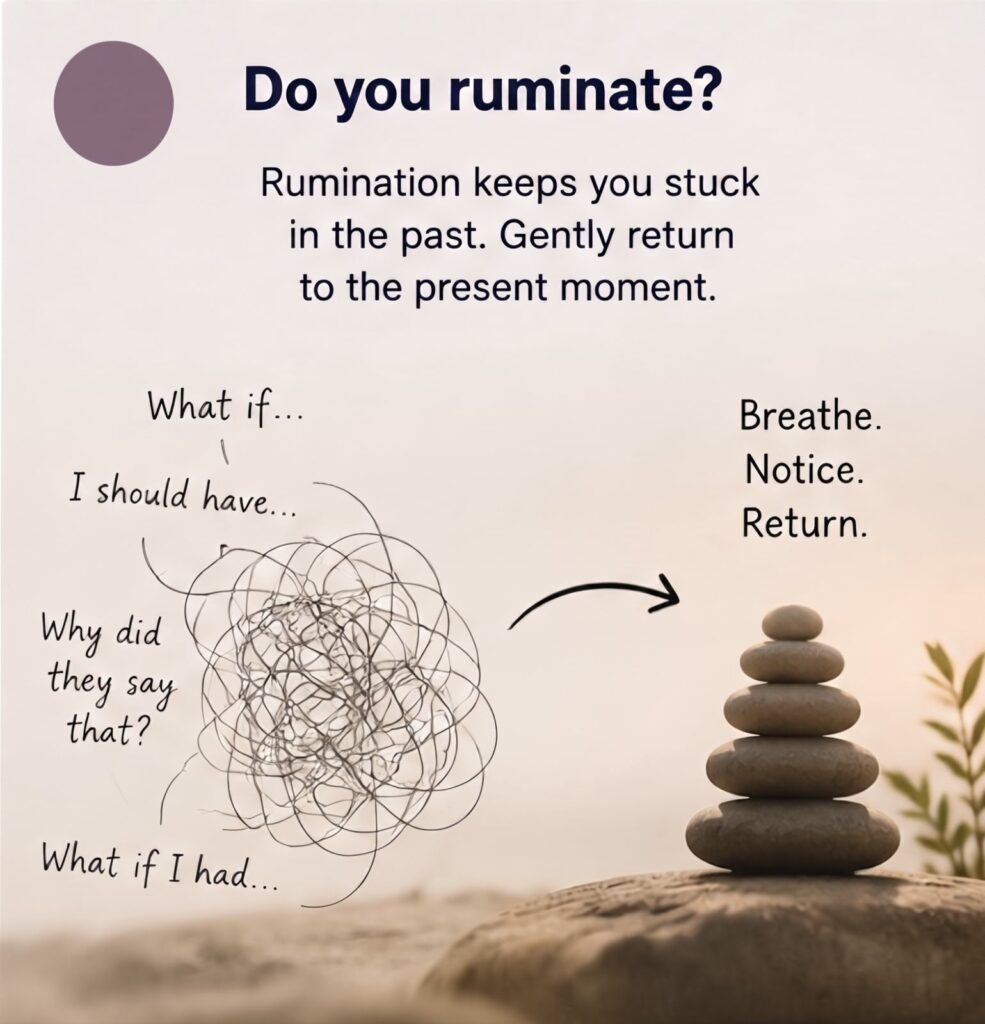
Rumination is the habit of replaying conversations or experiences over and over again, long after they have happened.
Although it can feel like problem-solving, it often becomes an emotional loop. We replay what we should have said, what someone else said, or what we wish had happened differently. Meanwhile, our body continues responding as though the event is happening all over again.
Learning to notice these thoughts and gently bringing your attention back to the present moment can reduce their emotional intensity over time.
How Can You Regulate Yourself at Work?
Small Techniques Can Make a Big Difference
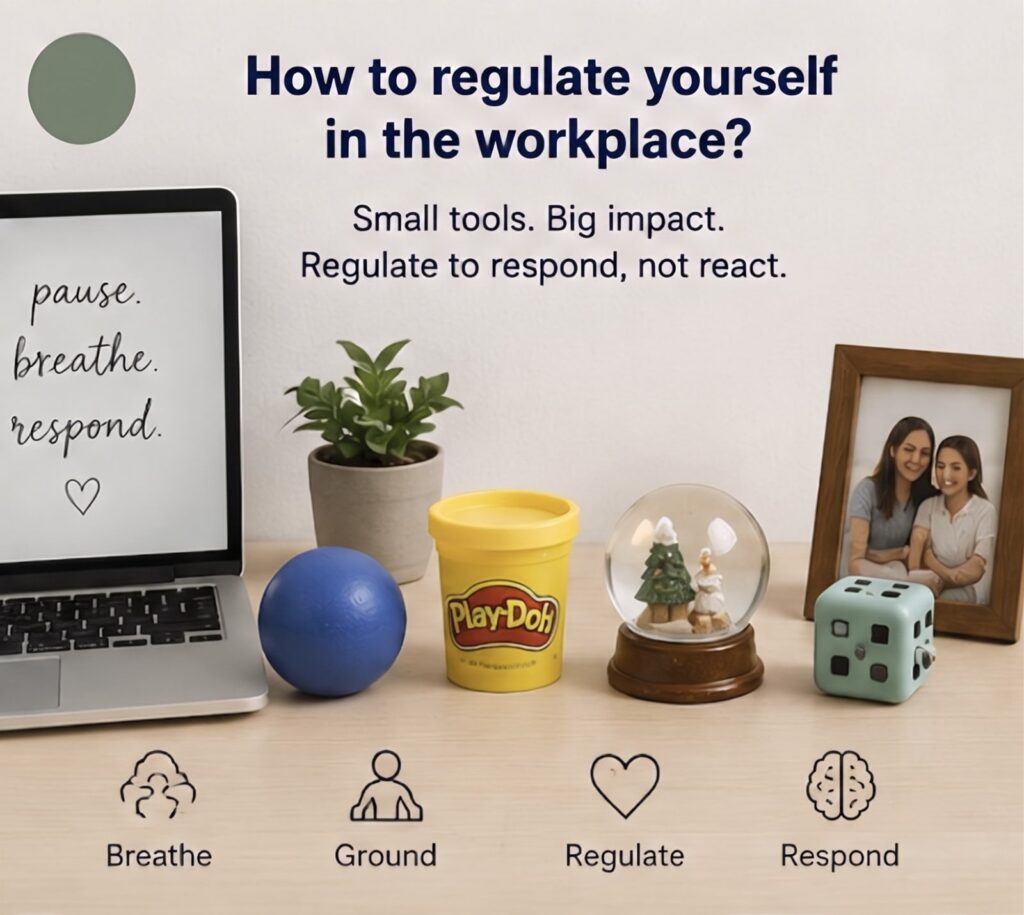
Simple grounding techniques can help regulate your nervous system during stressful moments.
Deep breathing increases oxygen to the brain, supports executive functioning, and helps improve emotional regulation.
Keeping small grounding items on your desk may also help, such as:
- A stress ball
- Play-Doh
- A snow globe
- A fidget toy
- A photograph of someone you love
These simple tools can remind your body that it is safe enough to pause before reacting. Regulation allows us to respond thoughtfully instead of acting from overwhelm.
Conclusion
Workplace stress is often a combination of external pressures and our internal responses. By becoming more aware of patterns such as people-pleasing, perfectionism, rumination, poor sleep, and self-criticism, we can better understand what sits beneath our stress. Small moments of self-awareness create opportunities for healthier choices, stronger boundaries, and greater self-compassion.
Frequently Asked Questions
What is workplace stress?
Workplace stress is the physical and emotional response to pressures experienced at work. While workloads and deadlines contribute, our internal thoughts and coping patterns can also influence how stressful situations feel.
Can lack of sleep make workplace stress worse?
Yes. Poor sleep reduces concentration, emotional regulation, decision-making, and resilience, making everyday work challenges feel more overwhelming.
What is rumination?
Rumination is repeatedly thinking about past conversations or situations without reaching a solution. It often increases stress rather than resolving it.
How can I better manage workplace stress?
Developing self-awareness, improving sleep habits, practising grounding techniques, setting healthy boundaries, and showing yourself compassion can all help reduce workplace stress over time.