

1. Practical Experience for Psychology Students
1.1 Real-World Counselling Opportunities
Students who are studying psychology are given the opportunity to gain valuable experience in counselling.
1.2 Mentorship and Evaluation
Students are monitored, evaluated, and mentored by MST so they can become effective counsellors in the field after graduation.
1.3 Bridging the Gap Between Theory and Practice
Applying for a counselling position after graduation is challenging because young people enter a workforce without experience. MST bridges the gap between theoretical studies and practical experience.
1.4 Acting as a Reference
MST becomes the reference for these students when they apply for a position, giving them a competitive edge.

2. Empowering Child-Headed Households
2.1 The Scope of the Problem
Approximately 26,000 children live in child-headed households in South Africa (2019 statistic).
2.2 Lost Childhood
A child raising a child robs the child heading the household of their own childhood.
2.3 Risky Coping Mechanisms
This child often resorts to prostitution and/or illegal activities to make financial ends meet.
2.4 Academic Decline
Performing very poorly in school or leaving school before matriculation is very common.
2.5 Teenage Pregnancy
Teenage pregnancy is very often the case, which adds to the economic plight of this household.
Mental Health Challenges Faced by Child-Headed Households
Anxiety Disorders
Persistent worry or fear, often related to responsibilities or uncertainties about the future.
Depression
Feelings of sadness, hopelessness, or a lack of interest in activities once enjoyed.
Post-Traumatic Stress Disorder (PTSD)
Trauma from experiencing loss, such as the death or absence of parents, leading to distressing memories or flashbacks.
Behavioural Disorders
Increased aggression or defiance as a response to stressors in their environment.
Adjustment Disorders
Difficulties adjusting to the changes and stresses of living without parental support.
Low Self-Esteem
Feelings of inadequacy or self-blame, often stemming from the pressures of taking on adult responsibilities.
Social Isolation
Withdrawal from peers, which can lead to feelings of loneliness and further exacerbate mental health problems.2.6.8 Substance Abuse
Vulnerability to using drugs or alcohol as a coping mechanism for emotional distress.
Developmental Delays
Emotional or cognitive difficulties that can affect learning and social interactions.
2.6.10 Eating Disorders
Patterns of disordered eating, potentially to cope with stress or a lack of control in their environment.
MST’s Response: Free Online Counselling and a Vision for More
It’s important for individuals in these situations to receive appropriate support and intervention to help mitigate these mental health challenges.
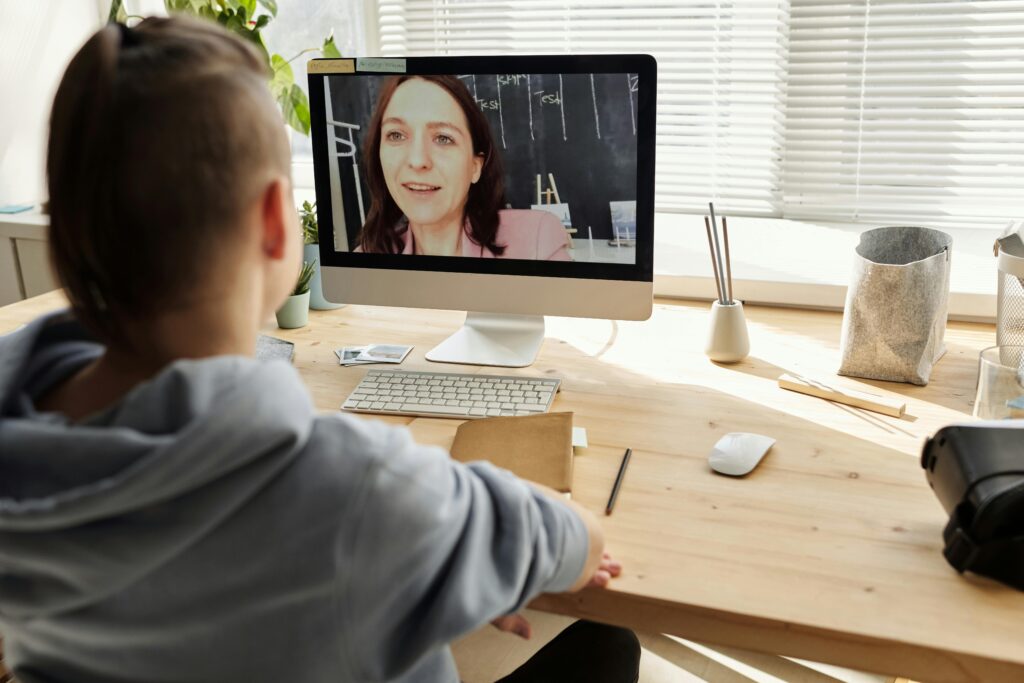
MST offers free online counselling to empower these children—and we want to do even more.