
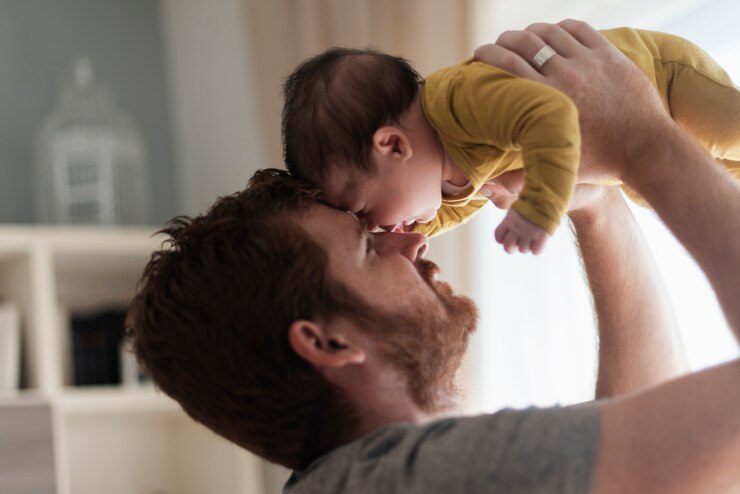
When a man becomes a father, everyone congratulates him—but no one really asks if he’s okay. There’s plenty of talk about sleepless nights, nappies, and how your social life might disappear for a bit. But no one quite explains the emotional earthquake that hits you when you become a dad. It’s like stepping into a role you were never fully trained for, only to discover that everything inside you is being rewired.
And yet… you’re expected to keep going. To be the stable one. To be present. To be strong.
The Silent Transition Into Fatherhood
Fatherhood is more than just learning how to change a nappy or install a car seat. It’s a psychological and emotional transformation—one that often starts long before the baby arrives.
The moment you hear those words, “I’m pregnant,” something shifts. You may not feel it at first, but deep down your identity begins to change. Over time, that change can turn into a whirlwind of questions, doubts, and fears—especially when support for men during this stage is thin on the ground.
Men are often expected to “just cope,” but the truth is, many don’t. They soldier on, silently battling anxiety, burnout, or even depression while trying to be the kind of dad they think they’re supposed to be.

Things I Wish I Knew as a New Father
There’s no rulebook for being a dad, but there are a few truths I wish someone had shared with me.
You’re not the only one struggling
It might feel like everyone else has it figured out, but trust me—they don’t. Many fathers go through the same rollercoaster of emotions: exhaustion, fear, pride, guilt, frustration, even grief. It’s all part of the process.
Missing your old life is normal
You can love your child with all your heart and still miss sleeping in, spontaneous weekends, or having time to yourself. That doesn’t make you selfish. It just means you’re human, adapting to a massive life change.
It’s brave to ask for help
Whether it’s talking to a friend, seeing a therapist, or just saying to your partner, “I’m not okay,” asking for help takes guts. It doesn’t mean you’ve failed as a father. It means you’re showing up for your family in the most real way possible.
Your relationship will shift—and that’s okay
Things will get tense, communication might break down, and physical intimacy might take a back seat. But that doesn’t mean your relationship is doomed. It just means you both need time, patience, and honest conversations.
Taking care of yourself is taking care of your child
Dads who prioritise their mental health are better equipped to be emotionally available, patient, and present. You can’t pour from an empty cup, no matter how tough you think you are.
Yes, Dads Can Experience Postnatal Depression
We hear a lot about postpartum depression in women—and rightly so—but did you know that 1 in 10 new fathers experience it too? It’s called paternal postnatal depression, and it’s just as serious. It can be triggered by sleepless nights, financial pressure, changes in hormone levels, or feeling isolated and overwhelmed. But because men are often taught to suppress their emotions, the symptoms are usually brushed aside. Here are a few common signals;
Constant irritability or anger that feels hard to explain
If you find yourself snapping at small things or constantly feeling on edge, you’re not alone. Many men go through periods of unexplained irritability or anger, especially during major life changes like becoming a father. It’s not just about being grumpy—these emotions are often tied to stress, anxiety, or even depression. Men tend to express emotional distress differently from women. Instead of withdrawing or crying, it often comes out as frustration or anger. You might not even realise it’s a mental health issue until someone points it out. But recognising the pattern is the first step to breaking it.
Feeling emotionally numb or disconnected from your partner or baby
Becoming a dad is supposed to be magical, right? But what if it isn’t? Some men feel flat, emotionally distant, or disconnected from their baby or partner—and that can be terrifying to admit. You might feel like you’re going through the motions without really “feeling” anything. This emotional numbness is a common symptom of depression and burnout. Your brain goes into survival mode, and connection can get lost in the fog. It doesn’t mean you don’t care. It means you’re overwhelmed and need support.
Chronic fatigue even when you’ve had some sleep
Sure, babies wake up at all hours—but there’s a difference between being tired and feeling completely drained. When you’re dealing with mental health challenges, fatigue hits differently. You can sleep for hours and still wake up exhausted, mentally and physically.
This kind of fatigue can make everyday tasks feel like climbing a mountain. And when you’re running on empty, your patience, motivation, and even your relationships can suffer. It’s not laziness. It’s your body telling you that something deeper is going on.
No interest in the things you used to love—sports, hobbies, mates
You used to love going for a run, watching the game, or grabbing a beer with your mates. Now? Meh. Losing interest in activities you used to enjoy is a major red flag when it comes to mental health. It’s not just about being busy with a new baby—this kind of disconnection often signals something deeper, like depression. And the worst part? It sneaks up slowly. One day you realize you haven’t laughed in weeks or spoken to a friend in just as long. Getting that spark back starts with acknowledging that it’s missing.
Thoughts like, “I’m not cut out for this” or “I’m failing at everything”
Let’s be honest—fatherhood doesn’t come with a manual, and sometimes the pressure feels unbearable. Maybe you’re thinking:
- “I have no idea what I’m doing.”
- “I’m screwing this up.”
- “I’m not good enough.”
These thoughts are more common than you think. And while they feel true in the moment, they’re often fuelled by stress, fatigue, and self-doubt—not fact. You’re not failing. You’re human. And what you’re feeling is a sign that you need support, not shame.
- If this sounds familiar, you’re not broken—and you’re definitely not alone. This is a medical condition, not a personality flaw. And it’s treatable.
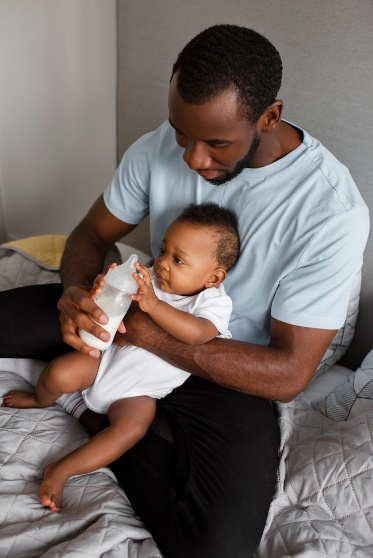
The Unspoken Pressure That Comes With Fatherhood
The emotional toll of fatherhood isn’t just about the sleepless nights. There are layers of pressure that aren’t always visible, but are deeply felt.
Loss of identity
Many men feel like they’ve lost themselves after becoming dads. The guy who went to gym, had a routine, smashed work goals, or just knew who he was? He suddenly feels buried under bottles, bills, and expectations.
Strained relationships
Being tired, overwhelmed, and pulled in different directions can drive a wedge between partners. Without open communication, that distance can grow into resentment.
Financial stress
The pressure to provide can become suffocating—especially when money is tight and your role as “the rock” doesn’t leave room for vulnerability.
Bottled emotions
Boys are taught early on: “Don’t cry.” “Man up.” So what happens when emotions do come up? They’re buried. Ignored. Numbed. Until one day, they explode.
Fear of messing it up
Every dad wants to be a good one—but no one hands you a manual. The fear of failing can eat away at your confidence, especially when you’re comparing yourself to picture-perfect social media dads.
Getting Help Isn’t Weak—It’s Smart
Mental health struggles thrive in isolation. The moment you start talking about it, their power weakens. Whether you reach out to a counsellor, find a local or online dads’ group, or just start opening up to someone you trust—it’s a step forward.
There are also resources in South Africa specifically for fathers. Groups like Fathers Matter, ManUp, or even counselling through your local community clinic can offer support. And if none of those feel right, start by simply acknowledging how you feel. That’s a win in itself.
Preparing Mentally for the Journey Ahead
You’ll never be 100% ready—but that’s okay. Preparing for fatherhood doesn’t mean having all the answers. It means:
- Being willing to learn and unlearn
- Talking openly with your partner about fears, expectations, and plans
- Building a circle of support—mates, mentors, professionals
- Letting go of perfection and focusing on presence
- Remembering that every emotion, no matter how uncomfortable, is valid

Conclusion
If we want healthier families, we need healthier dads. And that means creating space for men to talk about their mental health—not as a side note, but as a central part of parenting. Being a father is hard. Being silent about it makes it harder. So if you’re a dad reading this and you’ve been quietly falling apart while smiling in photos—know that you’re seen. You’re not alone. And it’s okay to need support. Reaching out doesn’t make you less of a man. It makes you a better one.